The composting law was one of 770 California laws that went into effect at the beginning of 2022.
Senate Bill 1383, which contains the requirements for “Short-Lived Climate Pollutants,” was approved by then state governor Jerry Brown on September 19, 2016.
Skip to the bin finder → — search any household item and see whether it belongs in the green cart, the recycling cart or the trash.
What is composting?
Composting is the natural process of breaking down biodegradable materials into a rich soil known as compost.
The process of composting can be done with scraps from many different types of food — including fruits, vegetables, meat, bones, fish, shellfish, eggshells, bread, grains, and coffee grounds.
Paper towels and cardboard are also compostable. Your food-soiled pizza boxes can become compost.
How do California residents dispose of their organic waste?
As of the beginning of 2022, California towns, cities, and counties need to provide compostables carts and associated organic waste collection services to all residents and businesses. Jurisdictions will have to recycle organic materials.
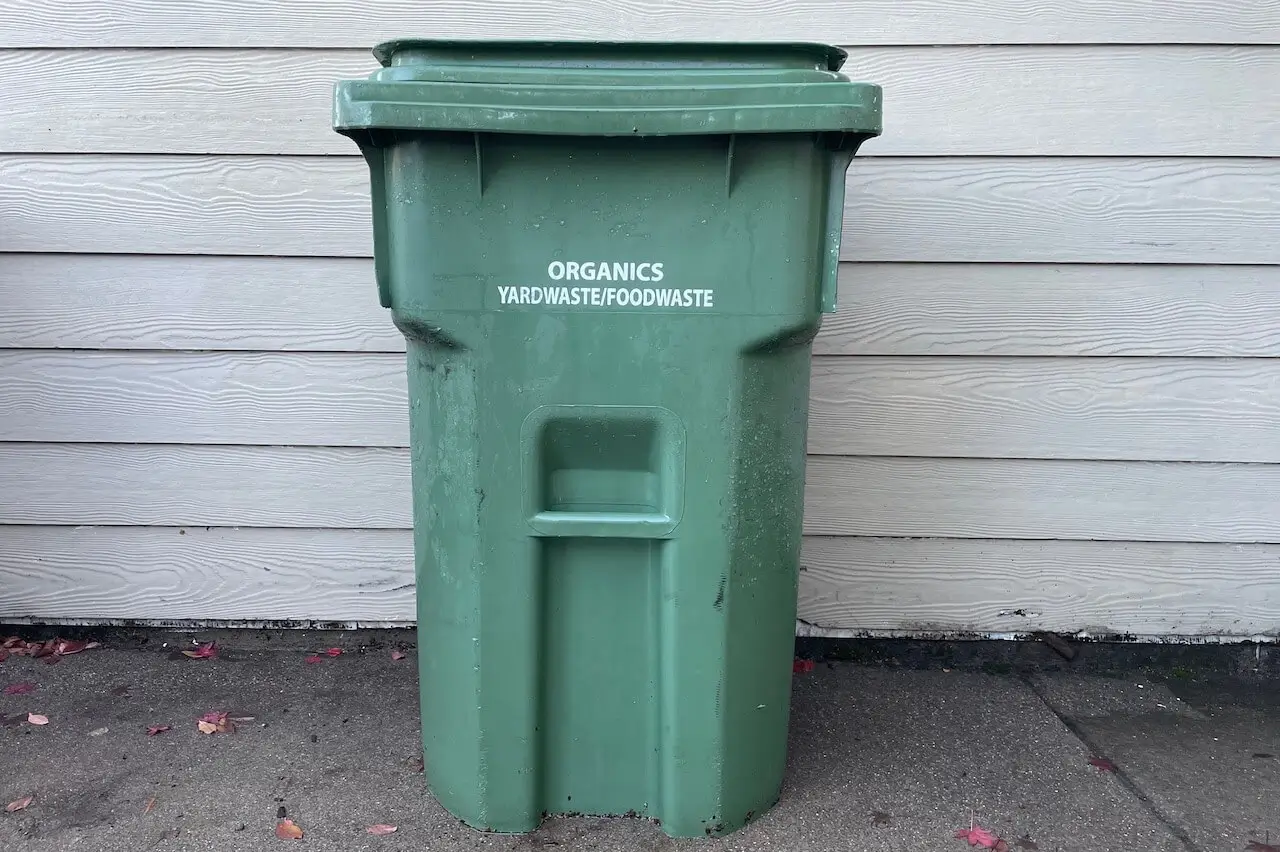
What is the reason for the California compost law?
Part of the reason the law came into being is that organic waste that’s added to trash carts ends up in landfills. The EPA estimated that food waste accounted for over 21% of the waste in landfills in 2018.
When the waste breaks down in a landfill, it releases methane into the atmosphere. As a primary component of natural gas, methane is a greenhouse gas (GHG).
The original goal of the state was to have a 75% reduction in the level of the statewide disposal of organic waste into landfills from the 2014 level by 2025.
Other benefits to composting
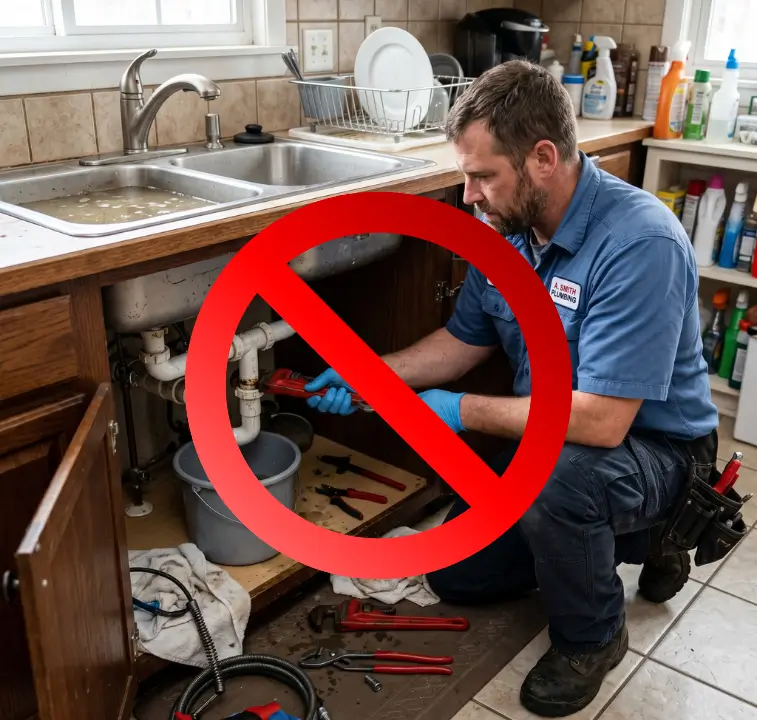
When you put coffee grounds and food scraps into a lidded countertop bin, these items won’t get into your drain lines and sewer line — and risk clogging them.
Using your garbage disposal less often can mean fewer visits to your home by an expensive plumber.
What’s a good way to separate compostable food waste from garbage?
We have found that a good way to separate household organics from trash is on the kitchen countertop. CalRecycle has several suggestions for containers to use. This 1.3-gallon stainless steel bin has a lid with a charcoal filter that covers up odors.
Fill the bin as you go and then simply walk it out to your compostables cart as necessary — and dump the contents.
Ideally, the green cart should first have a bed of dry yard waste compostables or a piece of cardboard. Otherwise, the compostables will stick to the bottom of the cart.
EPICA Stainless Steel Compost Bin, 1.3 Gallon — Charcoal Filter Lid
Holds a few days of kitchen scraps on the counter without the smell reaching the room.
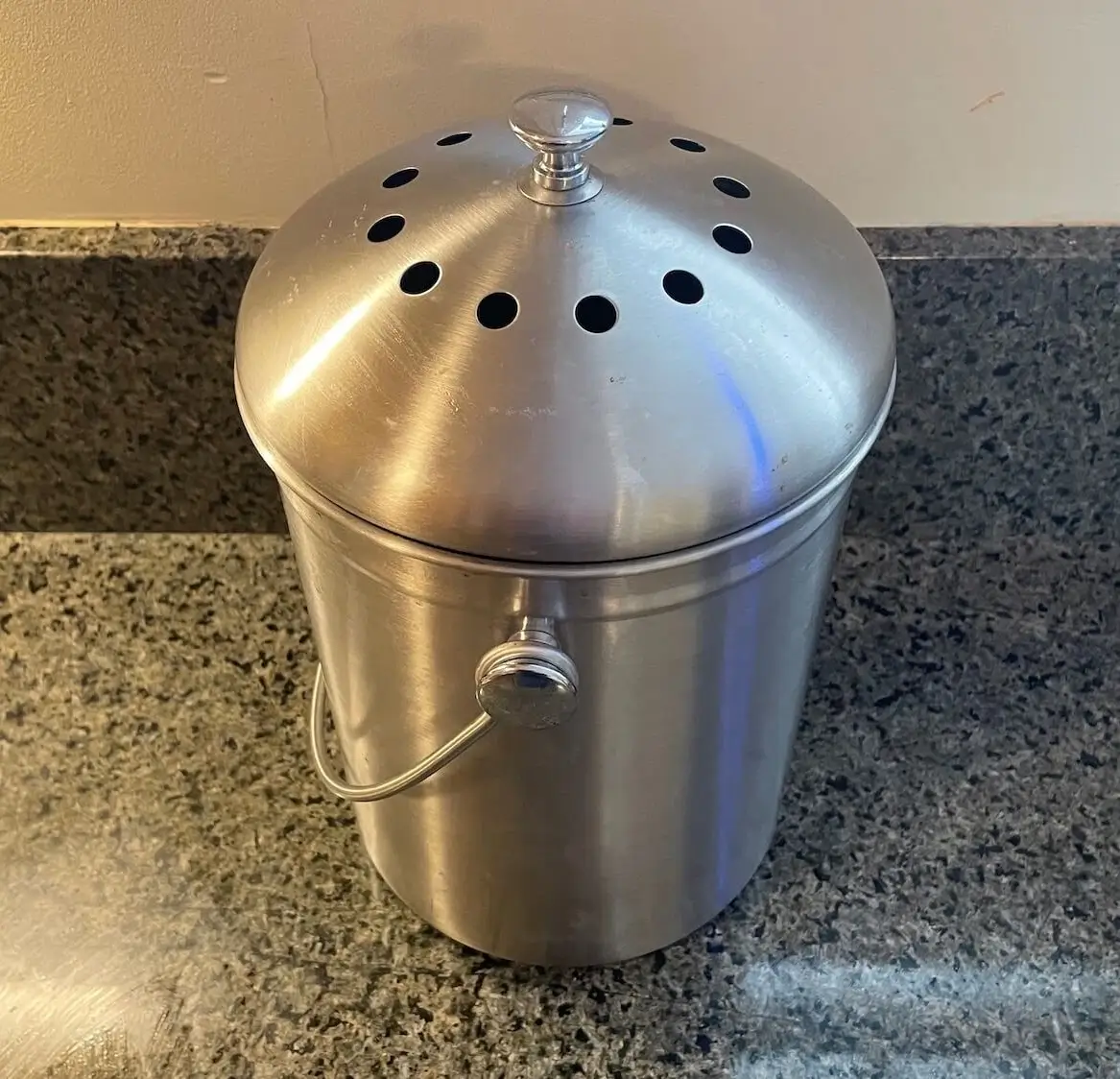
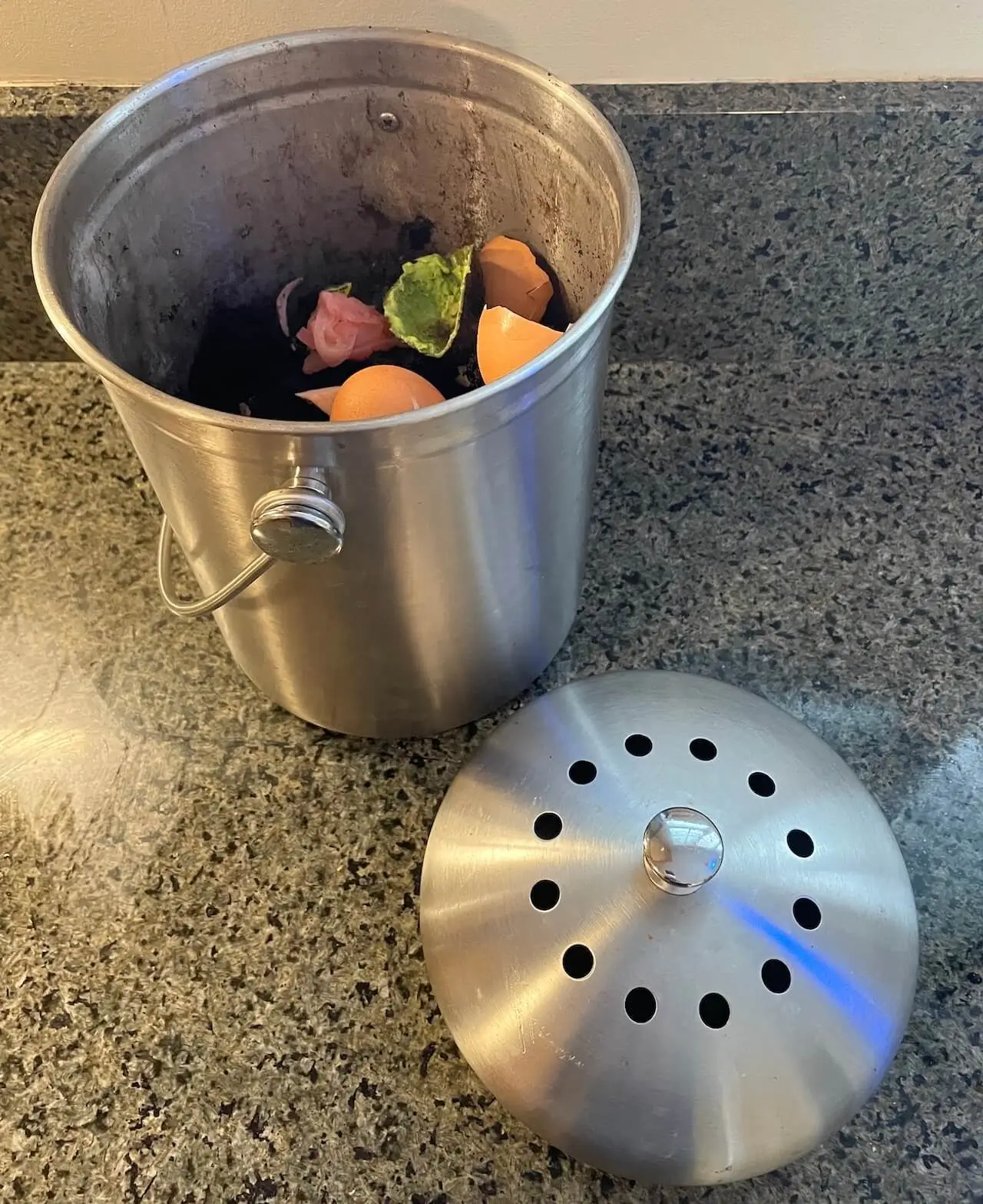
- ✅ Charcoal filter in the lid covers the odor from meat, fish, and coffee grounds
- ✅ Stainless steel rinses clean instead of staining and holding smells like plastic
- ✅ Small enough to leave out next to where you actually prep food
Opens Amazon in a new tab. As an Amazon Associate, I earn from qualifying purchases — at no extra cost to you.
Which bin does it go in?
Start typing a household item — pizza box, K‑Cup, palm frond, milk carton — and see which cart it belongs in.
What items can go into a compostables cart?
Food scraps — anything that’s edible
- ✅ Meat (including bones)
- ✅ Fish & shellfish
- ✅ Dairy products
- ✅ Cooking grease & oils (in small amounts mixed with dry materials)
- ✅ Fats
- ✅ Fruit
- ✅ Vegetables
- ✅ Egg shells
- ✅ Coffee grounds
- ✅ Teabags
Paper & cardboard
Cardboard that is food-soiled is considered to be contaminated and should not go into the recycling container. But it can go into the compostables bin.
- ✅ Greasy pizza boxes
- ✅ Unwaxed paper plates
- ✅ Napkins
- ✅ Paper towels
Yard waste
- ✅ Leaves
- ✅ Lawn grass clippings
- ✅ Shrub & tree clippings
- ✅ Weeds
- ✅ Flowers
- ✅ Straw
- ✅ Smaller branches (under 4 feet long and less than 3 inches in diameter)
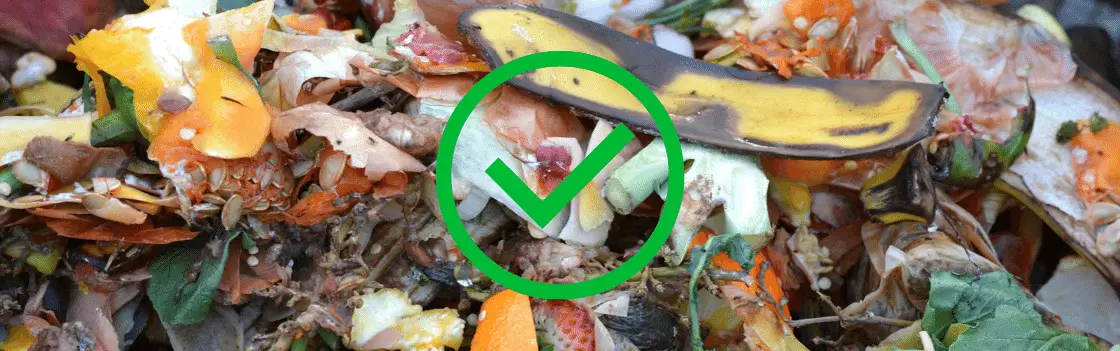
What items should NOT go into a compostables cart?
Bio-degradable plastics, bags, cups, containers, and utensils are not considered to be “short-lived” and therefore should not go into the compostables cart. Any waxed cardboard such as milk containers should not go in either. There are certain types of vegetation that are not considered to be short-lived.
Here is a full list of items that should not go into your green cart and that should continue to go into the trash container for landfill.
- ❌ Compostable/bio-degradable plastics
- ❌ Compostable/bio-degradable bags
- ❌ Compostable/bio-degradable cups or containers
- ❌ Compostable/bio-degradable utensils
- ❌ Plastic bags
- ❌ To-go coffee cups and lids
- ❌ Plastic cups and lids
- ❌ Paper soft drink cups
- ❌ Paper soup cups
- ❌ Milk cartons (including non-dairy containers)
- ❌ Waxed cardboard or paper
- ❌ Dixie® brand plates (only in California)
- ❌ Palm fronds
- ❌ Yucca
- ❌ Agave americana (century plant)
- ❌ Poison Oak
- ❌ Bamboo
- ❌ Pet or human waste
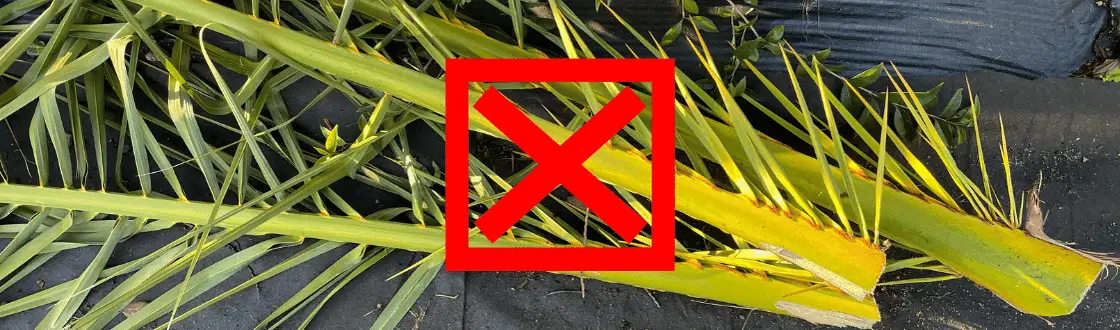
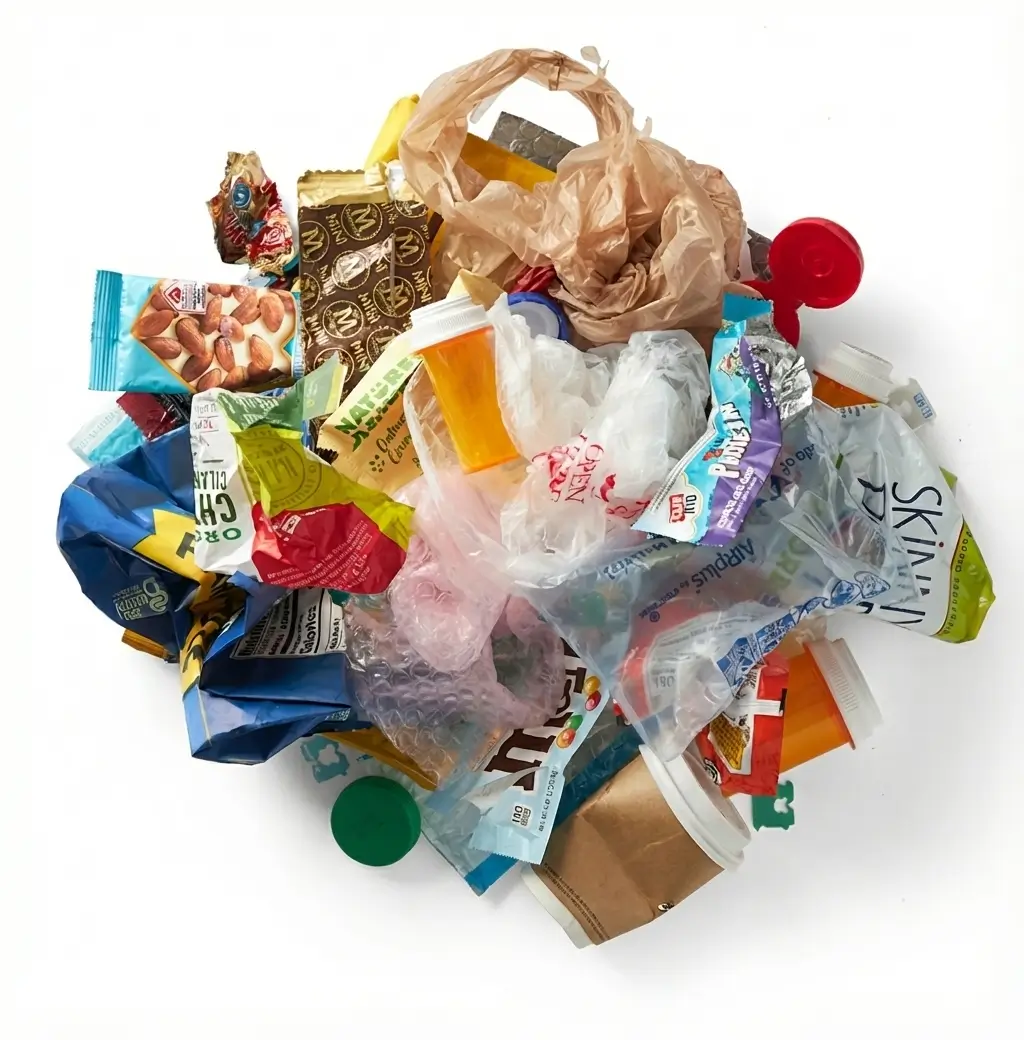
Here is a video from a California County that has information about what can and cannot be composted.
Fines for non-compliance took effect in January 2024. Any fines will be imposed by a local jurisdiction such as a city or county.
Keeping compost containers clean
As part of California’s Compost Law, millions of Californians have been adding more compostables than ever to their countertop containers and green recycle carts.
Compost material that’s added to an empty container will cause the material to stick to the bottom. Here are some tips for keeping your kitchen container and green cart clean.
Kitchen container tips
- • Keep a long-handled wooden turner on Amazon next to the bin and use it to scrape the bottom clean when you empty it into the green cart
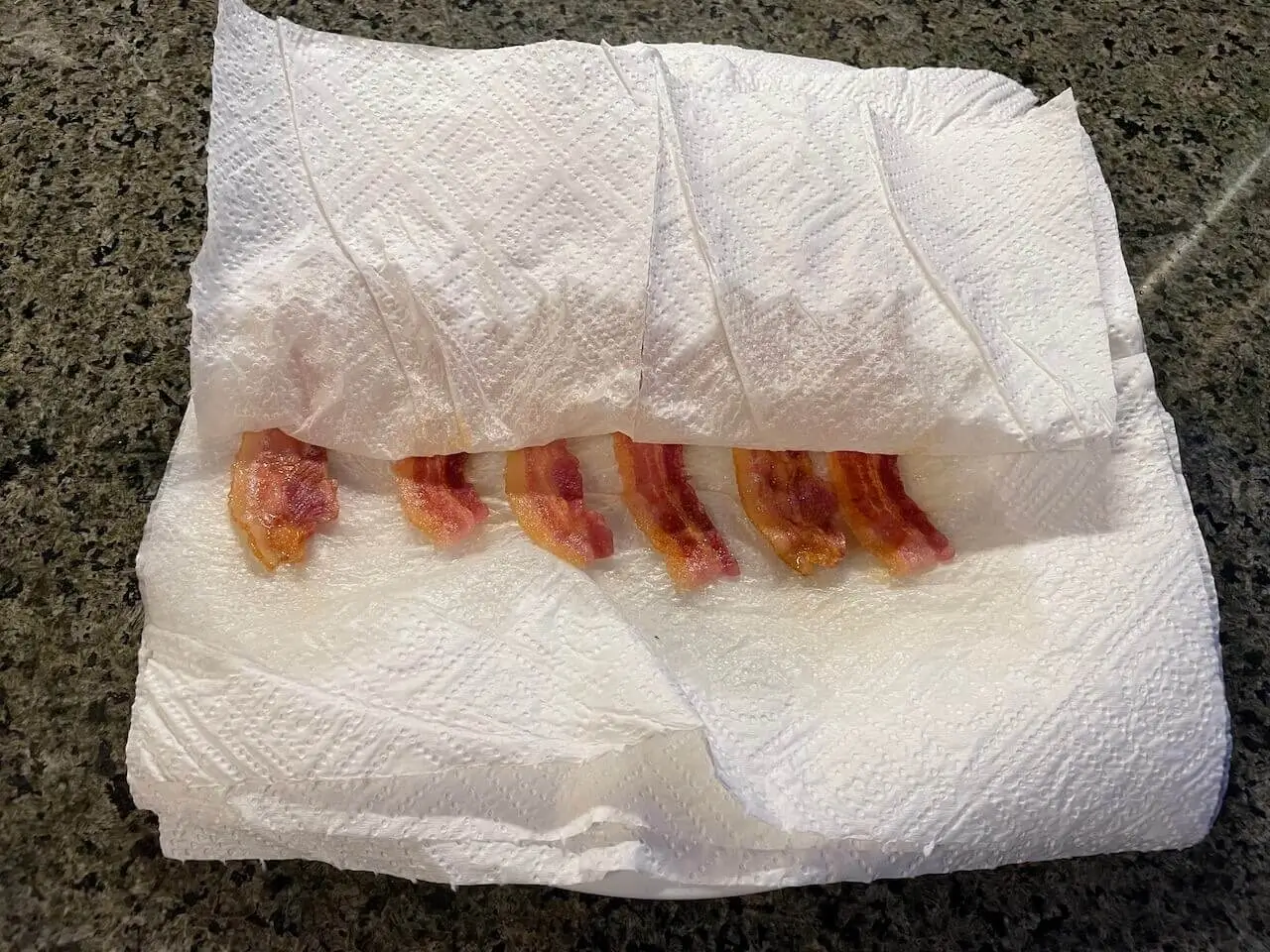
- • Add a couple of layers of paper towel to the bottom of the empty container
Green cart tips
- • Add a bed of yard waste to the bottom of your empty bin each week
- • Periodically scrape stuck compost off of the bottom of the bin with a square-bladed transfer shovel on Amazon — the flat blade is what lets you get under compost that has dried onto the bottom
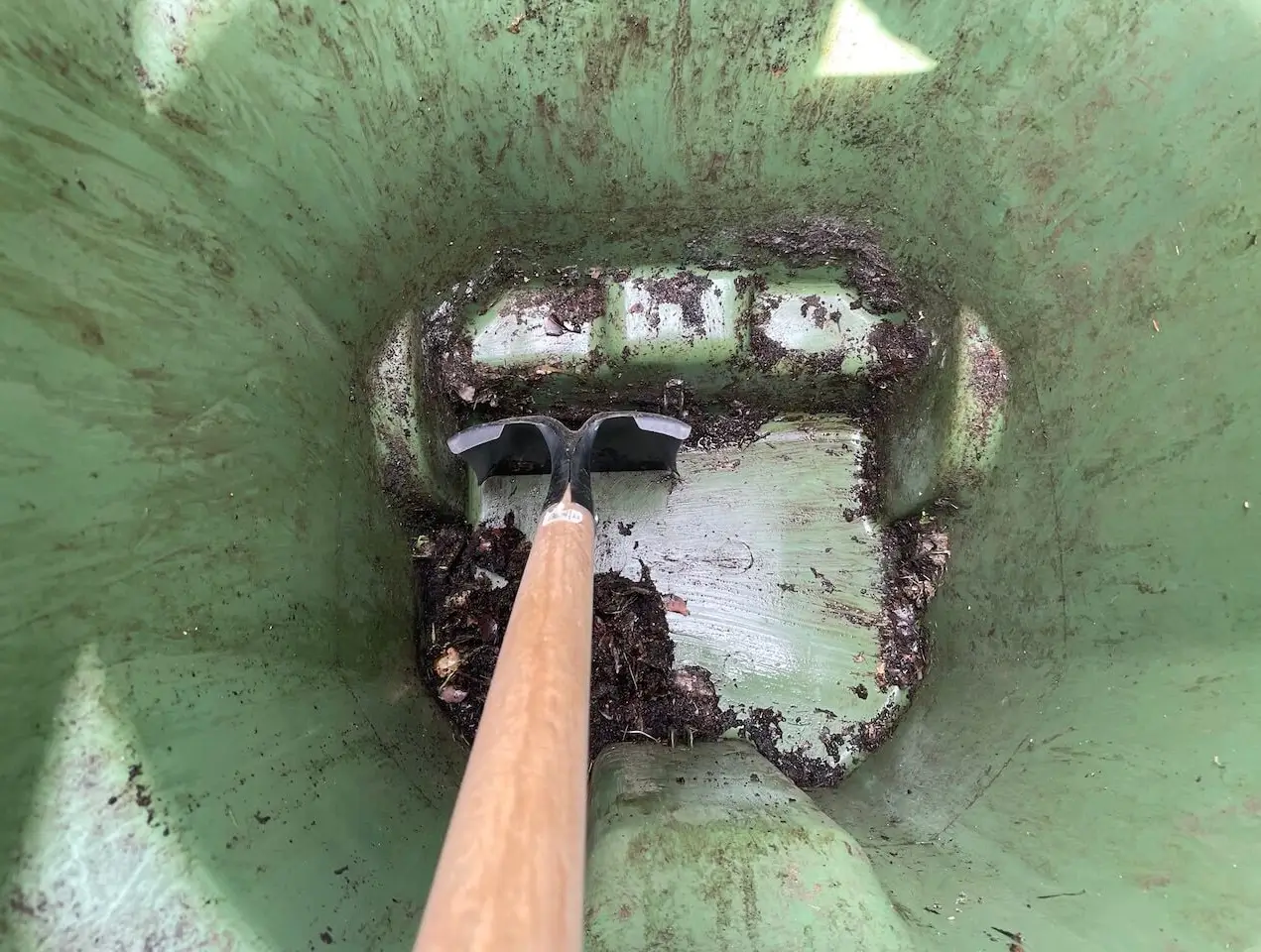
Ashman Heavy-Duty Transfer Shovel — 41-Inch Square Blade
The square blade is the part that matters — it meets the flat bottom of the cart, so stuck compost comes up in one pass.
- ✅ Square blade sits flush against the cart floor, unlike a pointed garden spade
- ✅ Rust-resistant blade, which matters for a tool that lives in wet compost and gets hosed off
- ✅ 41-inch handle with a D-grip gives you two-handed leverage without reaching into the bin
Opens Amazon in a new tab. As an Amazon Associate, I earn from qualifying purchases — at no extra cost to you.